Custom Plastic Injection Molding Built Around Your Drawing
When a standard catalog part will not satisfy the geometry, function, or cost target of your product, custom plastic injection molding is how a unique design becomes a repeatable, high-volume component. The defining difference from off-the-shelf molding is that there is no reference part to copy. Every decision — gate location, wall thickness, steel choice, surface finish — is made for your specific geometry and application. That is why the supplier’s engineering judgment matters as much as its machines, and why the right time to engage that judgment is before steel is cut.
A custom program is, at its core, a translation problem: converting a functional need into a moldable geometry that can be produced millions of times without drift. The disciplines that solve that problem — design for manufacturability, material science, tool design, and process control — are the same ones that protect your launch schedule and your margin.
What a Complete Custom Program Includes
Custom molded plastics begin with your requirement, not a standard catalog. A complete program covers the full chain so there is a single accountable team for the whole effort:
- DFM review of wall thickness, draft, gating, and ejection before steel is cut.
- Material selection matched to function, environment, and budget.
- Tool fabrication in P20, 718H, NAK80, or S136 steel as the application demands.
- Production molding on 50T–800T presses with cavity-pressure control.
- Finishing and assembly including polishing, texturing, printing, and welding.
Consolidating these steps internally is the practical advantage of true custom molding. When tooling and molding share a floor, a design revision that would take weeks through separate shops turns around in days.
Design for Manufacturability: Where Programs Succeed or Fail
DFM is the single highest-leverage step in any custom program. Engineers analyze your model for wall uniformity, gate location, sink risk, and tolerance stack-up, then propose changes that improve yield without changing function. A slightly thicker wall or a relocated gate can eliminate warpage that would otherwise surface only after tooling is paid for.
The output is a DFM report with specific recommendations and revised drawings, so you approve the manufacturing version before any steel is machined. This upfront discipline is why experienced teams ask specifically for DFM support when moving from prototype to production — the savings are not in the part price but in the tool that does not need rework. It is also where a supplier earns trust: recommendations that protect your part, not just the supplier’s schedule.
Matching Material to Function
Custom work draws on the full engineering thermoplastic range, but selection should start from performance, not familiarity:
| Resin | When to choose it |
|---|---|
| ABS / PC-ABS | Sturdy, finish-friendly enclosures |
| PC | Clarity and heat resistance |
| PP | Chemical resistance and living hinges |
| PA6 / PA66 | Strength and wear resistance |
| POM | Precision mechanical features |
| TPU | Soft-touch and sealing |
The goal is the resin that meets performance and cost targets simultaneously, not the one easiest to mold. Glass-filled and flame-retardant grades are qualified where the application demands them, with the documentation your compliance team requires, and each lot is verified before molding so the process starts from a known-good baseline.
Process and Equipment for Bespoke Parts
Custom tools run on the same 50T–800T fleet used for standard production, with hot-runner and multi-cavity options for volume. Robotic handling and automated inspection keep bespoke parts consistent from first shot to last, and cavity-pressure monitoring confirms every shot fills completely. Because the tool and the press are designed together, the tool is tuned to the machine it actually runs on rather than to a generic specification.
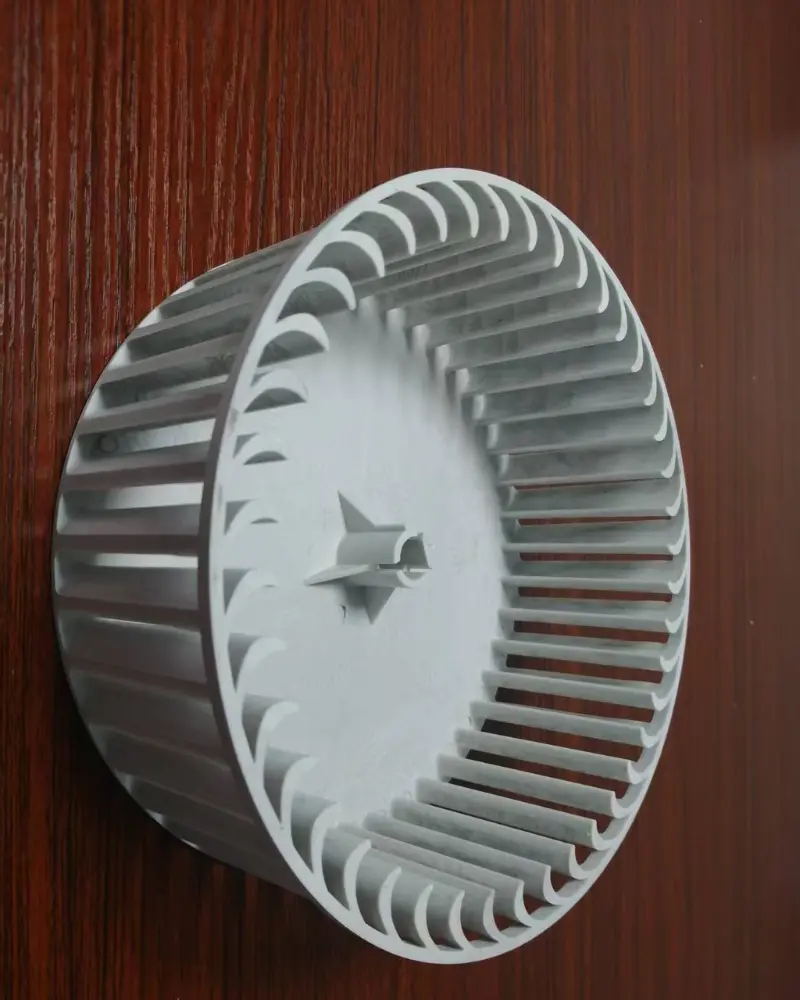
Industrial and electronic components molded to customer drawings, where the value is translating a functional need into a moldable geometry.
Applications That Reward a Custom Approach
- Custom enclosures for electronics, sensors, and control hardware.
- Functional brackets that replace metal at lower weight and cost.
- Sealed components for fluid and outdoor environments.
- Wear surfaces in mechanisms needing low friction.
- Ergonomic grips and soft-touch features for consumer products.
Each of these rewards a supplier who can translate a functional need into a moldable geometry — exactly the translation DFM provides. A bracket that merely looks right but warps under load is not a custom success; a bracket that holds its shape and beats the metal part on cost is.
Industry Considerations for Custom Parts
Custom programs span automotive, medical, electronics, and industrial sectors, and each stresses the part differently. Automotive needs PPAP-level documentation; medical needs cleanliness and lot traceability; electronics needs fine features and flatness; industrial needs durability under load. A supplier with cross-sector experience brings proven solutions from one field into another, so your custom part benefits from patterns established elsewhere rather than being solved from zero.
Quality Control for Custom Work
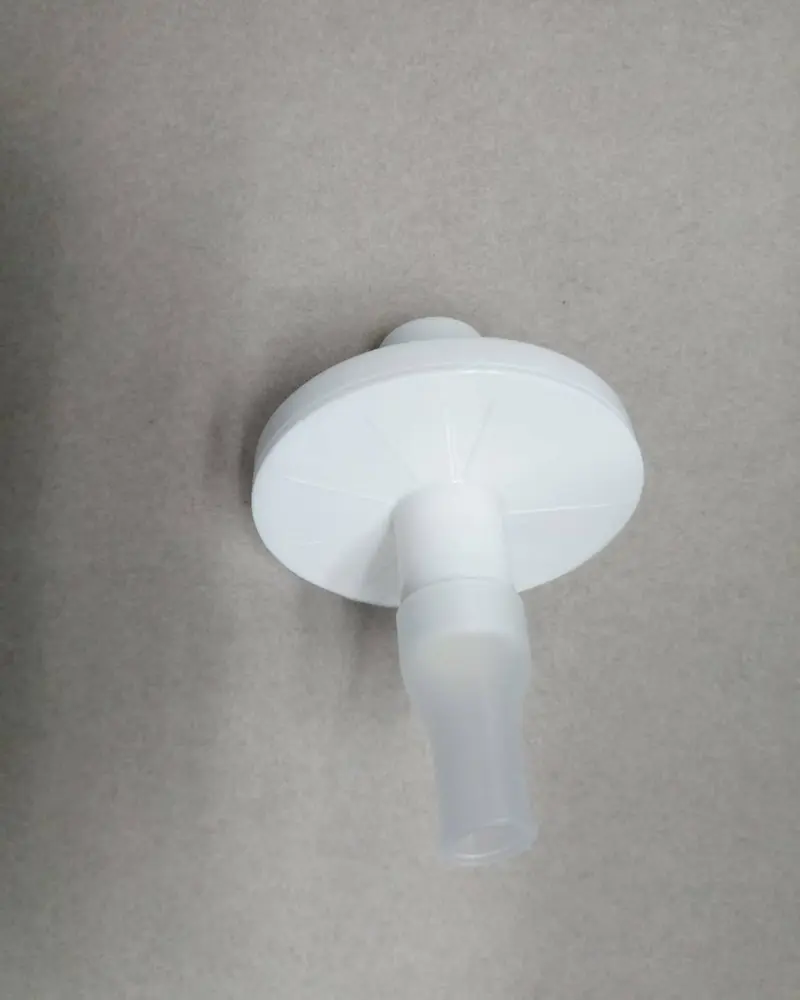
Custom work demands tighter documentation than standard parts, because there is no prior reference to fall back on. ISO 9001 controls apply with first-article inspection, in-process SPC, and CMM verification of critical dimensions. Tool maintenance is scheduled by shot count, and resin lots are verified on arrival. For regulated programs, the records needed for audits and traceability are retained, and PPAP packages are supported where your quality team requires them.
Advantages of Keeping Custom Work Under One Roof
- One accountable team for design, tool, and molding.
- Faster change loops because tooling and presses share a floor.
- Material expertise that matches resin to function and cost.
- Scalable volume from first article to millions of parts.
- Global shipping to North America, Europe, and Asia.
These advantages matter most when the program is new and uncertain — which is exactly when custom molded plastics are being defined and when a delayed revision is most expensive.
Cost Factors Specific to Custom Molding
The piece price is only part of the story. Tool steel choice, cavitation, tolerance, and finish set the tool cost; resin grade and secondary operations set the run cost; and the efficiency of the DFM step sets how many iterations you pay for. Engaging engineering early — during design, not after a failed first article — is the most reliable way to lower the total cost of a custom program.
What to Send for a Custom Quote
Provide your 3D model and 2D drawing, the performance requirement (or target resin), expected annual volume and lot sizes, critical dimensions with tolerances, surface finish and color, and any regulatory needs. If you are still in design, share the model early for a DFM review — that conversation often prevents the most expensive mistakes.
Design Guidelines for Bespoke Geometry
Custom parts succeed when the design anticipates molding, not when molding is asked to forgive the design. Keep wall sections as uniform as the function allows, add draft to every vertical face, and place ribs and bosses where they stiffen without causing sink on the opposite side. Gate and ejector locations should be planned with the visible surfaces in mind, and tolerance callouts kept tight only where assembly or sealing depends on them. A DFM review turns these intentions into a manufacturable model before steel is committed — which is where custom programs win or lose.
Tolerances, Inspection, and Documentation
For one-off geometries there is no reference part to fall back on, so documentation carries extra weight. Critical dimensions are verified by CMM and tracked lot by lot, and first-article inspection confirms the tool matches the approved drawing on the features that matter. Regulated programs receive the lot traceability and PPAP packages your quality team needs, so a custom part is released on evidence rather than assumption.
Secondary Operations for Custom Parts
Bespoke components frequently need finishing that standard parts do not. In-house polishing, texturing, painting, pad printing, laser engraving, and ultrasonic welding let a custom part arrive as a finished component. Managing these steps internally means the same team owns the part from tool to finish, eliminating the hand-off errors that multiply when several vendors each touch the same geometry.
Cost Structure and How to Control It
Custom work is most often over-spent on iterations, not on piece price. The largest savings come from a DFM review that prevents a tool change after steel is cut, and from selecting resin and cavitation matched to real volume rather than habit. Secondary operations planned up front — instead of discovered after molding — also protect cost. Engaging engineering during design is consistently cheaper than correcting a first article that did not account for molding reality.
Lead Times, Logistics, and Confidentiality
Custom tooling sets the schedule, and in-house fabrication with a clean DFM shortens the critical path to first article. Finished parts are packaged and labeled to your specification with lot traceability, and shipments to North America, Europe, and Asia carry the documentation international logistics requires. Customer drawings and models are treated as confidential property; proprietary designs are never reused or shared.
Evaluating a Custom Molding Supplier
The questions that matter are about integration and accountability: does one team own design, tool, and molding, or do they hand off between separate shops? Can engineers show DFM recommendations, not just a quote? What quality records accompany each lot? For custom work specifically, the supplier’s ability to iterate quickly when your design moves is often the difference between hitting a launch date and missing it.
What a Typical Custom Program Looks Like
A custom bracket program typically runs: week one to two, DFM review with revised drawings; week three to six, tool fabrication in the chosen steel; week seven, first-article approval; then production molding with the finish and assembly the part needs. Because the geometry is unique, the DFM step carries more weight than on a standard part — that is where yield is designed in. A supplier who returns specific, justified recommendations — not a generic sign-off — is the one protecting your launch.
Industry-Specific Considerations
Automotive custom parts need PPAP-level records and consistent dimensicing across volumes. Medical custom parts demand documentation and cleanliness from the first sample. Electronics custom parts live or die on fine features and flatness. Industrial custom parts must hold load without creep. The common thread is that custom work has no reference part, so the supplier’s process discipline — not a catalog spec — is what guarantees the outcome.
Glossary of Key Terms
- Besoke molding — parts developed from your model rather than a standard catalog.
- DFM — design for manufacturability, the review that prevents tool rework.
- NAK80 / S136 — pre-hardened and stainless tool steels for polish and corrosion resistance.
- Overmolding — bonding a soft material to a rigid substrate in one cycle.
- PPAP — production part approval process used by automotive and tier suppliers.
- SPI finish — U.S. mold surface finish classification from high-gloss to textured.
Common Defects and How They Are Prevented
Custom parts fail in predictable ways when design and process are not aligned. Warpage follows uneven wall sections and insufficient cooling; sink marks appear opposite thick ribs; gate scars land on visible faces when gating is an afterthought; and cosmetic finishes disappoint when polish class is unspecified. Each is prevented during DFM and validated on a tryout press: walls are balanced, gates placed with the surface in mind, and finish called out by SPI or VDI class so the result matches the intent rather than the hope.
Reading and Comparing Custom Quotes
A useful custom quote itemizes tooling separately from piece price, states the resin grade and cavitation, specifies the tolerance and finish standard, and lists what quality documentation is included. Watch for quotes that fold tooling into the piece price, omit DFM, or leave inspection scope vague — those are where costs and surprises appear after award. The clearest signal of a reliable supplier is a quote that explains its own assumptions.
Communication and Project Management
Custom programs move through revisions, so communication discipline matters as much as machine capability. A single point of contact, defined change loops, and tryout and first-article reports shared on schedule keep everyone aligned. When tooling and molding share a floor, a design change is communicated by walking across the building rather than by an email that waits in another shop’s queue — and that speed is often what protects a launch date.
Getting Started With a Custom Program
Engaging a custom molding partner starts with a conversation about function, not just geometry. Share your model and the performance the part must meet, and the early DFM review will surface the choices — resin, wall strategy, gating, finish — that determine whether the program is cheap to run or expensive to fix. From there, tooling and molding proceed under one team, with tryout and first-article gates you can plan around rather than be surprised by.
Decision Guide
When custom molding is the right choice. Choose a bespoke program when the part does not exist as a catalog item—unique geometry, an overmolded soft-touch grip, an integrated housing, or a resin combination tuned to your product. If performance depends on the exact shape and material, custom is not optional.
Factors that shape the decision. Design maturity (will it still change?), functional requirements (sealing, EMI, flame class), appearance, and how much secondary work you want consolidated. Confidentiality and IP ownership matter when the geometry is proprietary.
Mistakes buyers avoid. Releasing a drawing that hasn’t had a DFM pass and then paying for tool revisions; ignoring that two-shot or insert molding could replace an assembly of parts; and sending incomplete specifications that leave the supplier guessing on tolerances.
Engineering Considerations
Design and DFM. Custom parts benefit most from early collaboration. Snap fits need calculated deflection, living hinges need the right PP grade and gate orientation, and overmolds need chemical or mechanical compatibility between the two resins. Draft and wall uniformity still govern moldability.
Tolerances. Define functional datums and tolerance only the interfaces that assemble. Over-constraining a custom organic shape is costly and often unnecessary.
Material selection. Start from the failure mode—fatigue, UV, chemical, or thermal—then pick the narrowest resin family that satisfies it. Color, translucency, and flame rating are spec items, not afterthoughts.
Cost and Lead-Time Factors
Tooling cost drivers. Bespoke geometry drives cavity complexity: undercuts need side actions, deep cores need longer cycles, and tight cosmetic surfaces need polished, hardened steel.
Volume impact. Custom tooling amortizes the same way as standard—higher steady volume justifies more cavities and better steel.
Material, finishing, and quality impact. Specialty and filled resins cost more and can need drying and dehumidified feed. Painting, laser marking, and pad printing add operations. Functional testing and first-article approval add overhead proportional to risk.
Production Scaling
From prototype to mass production. A custom prototype proves the geometry and resin; the production tool then scales it. Because the design is unique, the prototype-to-production handoff is where most learning is captured.
Repeatability and consistency. With no catalog reference, the qualified first article becomes the master. Process monitoring and tool maintenance hold that standard.
Supply chain. Consolidating custom molding, insert work, and finishing avoids the tolerance stack-up and lead-time risk of shipping parts between vendors.
Buyer Checklist
- Provide a release-ready 3D model and 2D with critical dimensions.
- State functional requirements: sealing, flex, flame, EMI, UV.
- Specify resin (or let the supplier recommend from the failure mode).
- Flag any overmold, insert, or two-shot requirement up front.
- Confirm IP handling, NDA, and who owns the tool.
- Request DFM feedback before tooling commitment.
Related Capabilities
Custom work rarely stands alone. Pair it with Injection Mold Manufacturing for the tooling, Prototype Injection Molding for validation before commit, and Low Volume Injection Molding for early production. See the homepage for the full capability overview.
For drawings, commercial terms, and contract manufacturing, visit plasticmolder.com, the contact page, or the dedicated plastic injection molding and custom plastic injection molding pages.