Low Volume Injection Molding for Short Runs
Not every program needs a million parts. Low volume injection molding fills the gap between prototyping and mass production, supplying 100 to 100,000 parts economically using soft steel or pre-hardened tool steel tooling. It delivers the consistency and material properties of true injection molding without the capital of a hardened production mold sized for millions of shots — the right process for products whose demand is real but bounded.
Short-run molding is the pragmatic choice for specialist equipment, aftermarket spares, niche consumer goods, and pre-launch inventory. It preserves optionality: you can supply a real, molded product now and scale tooling later only if the market proves it.
When Low-Volume Molding Is the Right Call
Low volume molding fits when:
- Your annual demand sits between prototype quantity and full mass production.
- You need spare or replacement parts without a hardened production tool.
- You are validating a niche or seasonal product before scaling.
- You want pre-launch inventory to de-risk a larger commitment.
For these cases, a lower-cost tool and a focused run beat the capital of a full production mold — and they avoid locking you into a tooling investment you may still revise.
Tooling That Keeps Short Runs Affordable
Soft steel or pre-hardened tool steel is used for low volumes, cutting tooling cost and lead time while still delivering real molded parts. Where the program grows, the design transfers cleanly to a hardened production mold, so the early tool is a stepping stone rather than a dead end. This approach — sometimes called bridge production — carries a product through its early-life phase without over-investing in tooling that may still change.
Crucially, the tool is right-sized to the volume, not to a forecast you are not yet sure of. That discipline is what makes short runs economical instead of merely smaller.
Materials and Process Are Not Compromised
Low volume runs use the same engineering resins as production — ABS, PC, PP, PA, POM, and TPU — molded on the 50T–800T fleet with cavity-pressure control. Parts meet the same ±0.02 mm tolerance standard as higher-volume work, because the press and process, not the tool steel, set the dimensional capability. The only difference is the economic life of the tool, not the quality of the part it produces.
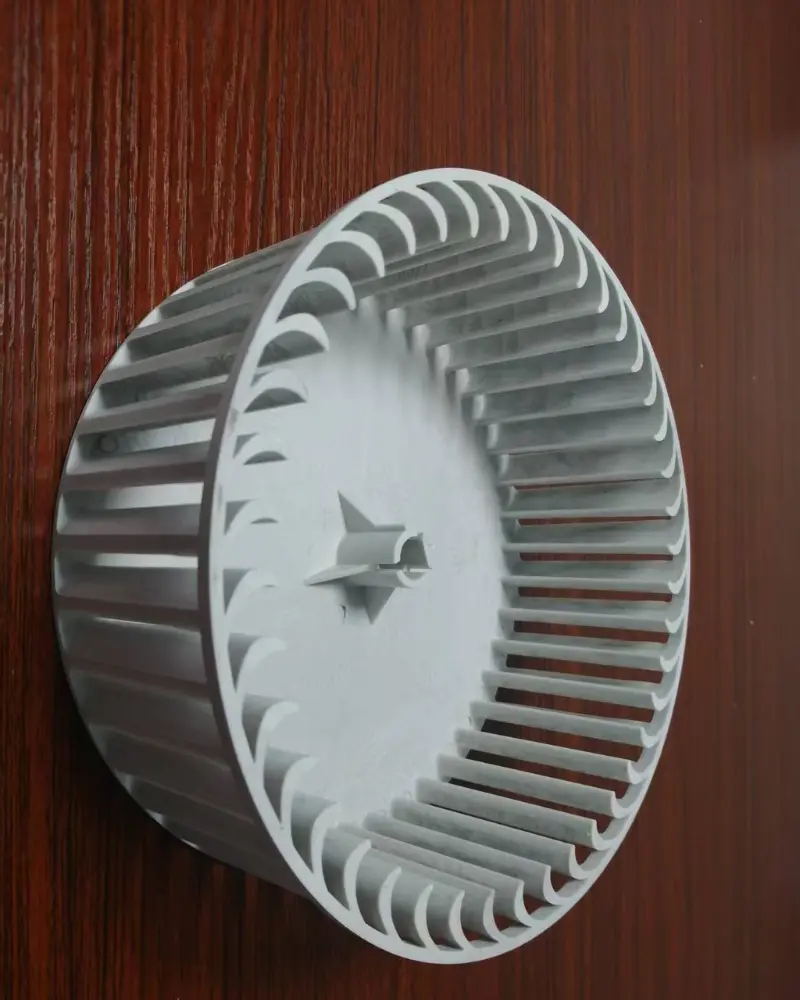
Small-batch plastic components produced through low volume injection molding, with the same tolerances as full production runs.
Applications Where Responsiveness Beats Price
- Spare part runs for installed equipment and aftermarket needs.
- Niche product batches where demand is real but limited.
- Pre-launch inventory to support a coordinated release.
- Replacement components without recommitting to full tooling.
- Specialty tooling for customized or low-demand items.
Each application values responsiveness over unit price. A spare part needed next week is worth more than a cheaper part available in three months, and low-volume molding is built to deliver that responsiveness.
Industries Served by Short Runs
Medical, electronics, industrial, and automotive sectors all use short-run molding. Medical needs low-volume device components and spares; electronics needs niche enclosures and insulators; industrial needs machinery parts and replacements; automotive needs bridge and specialty components. For these sectors, low volume injection molding is less a compromise than a fit: the right process for the right volume, with the same quality discipline as any other run.
Quality Control at Any Batch Size
Low volume does not mean low standards. The same ISO 9001 controls, first-article inspection, and CMM verification apply, with resin lots verified on arrival so even a 100-part run is correct. Quality is a property of the process, not a function of order size — and a supplier who treats it that way protects you whether you order one hundred parts or one million.
Cost and Lead-Time Advantages
The economics of short runs are straightforward: lower tooling cost via soft or pre-hardened steel, faster start than a full production mold, and on-demand supply for spares and niche demand. You match spend to demand, then scale only when the market proves it. Lead time is dominated by tooling, and a right-sized tool with in-house fabrication compresses that critical path.
Scaling from Low Volume to Production
A well-planned short run is the first step of a scaling path, not a detour. The DFM, resin qualification, and process settings established for the short run carry directly into the hardened-tool production program. The transition is a tooling upgrade, not a redesign — which is why choosing a supplier who runs both matters more than the size of any single order.
Common Questions About Short Runs
Buyers often ask whether short-run parts are “real” injection molded parts. They are — same presses, same resins, same tolerances. The distinction is tool life, not part quality. Another frequent question is whether small batches are worth tooling at all versus 3D printing; for functional, volume-consistent, material-representative parts, molding wins on mechanical properties and per-part cost once quantities exceed what printing handles economically.
What to Send for a Short-Run Quote
Provide your 3D model and 2D drawing, target resin, the quantity and frequency of runs, critical dimensions with tolerances, and surface finish or color. If scaling is possible later, note it — the tooling can be specified so the short run becomes the foundation of production rather than a separate effort.
Design Guidelines for Short-Run Success
Short runs reward the same design discipline as production, because the part is still molded, not printed. Uniform walls avoid sink and short shots, draft lets parts eject without marks, and tolerances kept tight only where function demands keep cost down. Gate and ejector placement still matters for appearance, and a DFM review still pays for itself by preventing a tool change after soft steel is cut. The difference from production is the tool’s economic life, not the rules of good design.
Tolerances, Inspection, and Documentation
Low volume does not relax the standard. Parts meet the same ±0.02 mm tolerance as higher-volume work, because the press and process — not the tool steel — set dimensional capability. CMM verification, first-article inspection, and lot-tracked critical characteristics apply to a 100-part run exactly as to a million, and PPAP documentation is supported where your quality team requires it. Quality is a property of the process, independent of order size.
Secondary Operations for Short Runs
Small batches still frequently need finishing: polishing, texturing, printing, laser engraving, or ultrasonic welding. Keeping these in-house means a finished component ships from one supplier even at low volume, avoiding the minimum-order and lead-time friction of coordinating specialist vendors for a small quantity.
Cost Structure of Short-Run Molding
The economics turn on tooling: soft or pre-hardened steel keeps the tool affordable, and right-sizing the tool to volume — not to a forecast you are unsure of — avoids over-investment. Piece price is higher than at full production, but the total program cost is lower when demand is bounded. The smart play is to spend only what the current volume justifies, then scale tooling later if the market proves it.
Lead Times, Logistics, and Confidentiality
Tooling dominates lead time, and a right-sized tool with in-house fabrication starts faster than a full production mold. Parts are packaged and labeled to your specification with lot traceability, and shipments to North America, Europe, and Asia carry the required documentation. Customer designs are confidential; short-run tooling is built for your program alone.
Evaluating a Short-Run Supplier
Ask whether the supplier can scale you into production without a redesign, because a well-planned short run is the first step of a scaling path, not a detour. The DFM, resin qualification, and process settings from the short run should carry directly into the hardened-tool program. A supplier who runs both protects you from paying twice for the same engineering.
What a Typical Short-Run Program Looks Like
A short-run program for spares or pre-launch inventory typically runs: DFM and quote in week one; soft or pre-hardened steel tool in weeks two to four; first-article approval; then the focused production run, often timed to a launch or a known demand window. Because the tool is right-sized, start is faster than a full production mold, and if demand grows the design transfers cleanly to hardened steel. The program is planned so the early run is a step toward production, not a separate effort.
Industry-Specific Considerations
Medical short runs supply low-volume device components and spares with the same documentation discipline as volume work. Electronics short runs cover niche enclosures and insulators. Industrial short runs serve machinery parts and replacements. Automotive short runs handle bridge and specialty components. For each, low-volume molding is the right process for the right volume — same quality system, different tooling economics.
Glossary of Key Terms
- Bridge production — supplying parts with soft tooling between prototype and mass production.
- DFM — design for manufacturability, the pre-tooling review.
- Pre-hardened steel — tool steel ready for molding without further heat treatment.
- PPAP — production part approval process supported where required.
- SPI finish — U.S. mold surface finish classification from A to D.
- Tolerance — permissible deviation from a nominal dimension, assigned by function.
Common Defects and How They Are Prevented
Short-run parts fail by the same mechanisms as production: sink from thick sections, flash from worn parting lines, short shots from unbalanced fill. The difference is that soft tooling wears earlier, so maintenance by shot count matters even more at low volume. Designing for uniform walls, adequate draft, and balanced gating during DFM prevents most issues, and CMM verification confirms the part regardless of order size.
Reading and Comparing Short-Run Quotes
A short-run quote should separate tooling from piece price and state the tool steel and its rated life, because that economics drives the total. Compare not just piece price but the path to scale: a quote that plans the tool for later hardening avoids a second tooling investment. Vague quotes that hide tooling life are where the real cost appears after the first run.
Communication and the Scaling Path
Short runs often lead to production, so communication should treat the early tool as the foundation of the next. Sharing DFM, resin qualification, and process settings with the production planner means scaling is a tooling upgrade, not a redesign. A supplier who runs both keeps that handoff internal and fast, protecting you from paying twice for the same engineering.
Getting Started With a Short Run
Starting a short run begins with your model, resin, quantity, and timing window. The DFM and quote follow quickly, soft or pre-hardened tooling is cut in-house, and the run is scheduled to your need — pre-launch, spares, or niche demand. If growth is possible, the tool is specified so scaling to hardened steel is an upgrade, not a restart.
When a Short Run Becomes Production
Many short runs grow, and the signal is steady or rising demand that justifies hardened tooling and higher cavitation. Because the DFM, resin, and process from the short run carry forward, the transition is a tooling upgrade rather than a redesign. A supplier who runs both makes that upgrade internal and fast, so you avoid paying twice for the same engineering when volume arrives.
Decision Guide
When low-volume molding is the right call. Choose it for runs from a few hundred to a few tens of thousands of parts—spares, end-of-life support, bridge supply, regulated replacements, or products with uncertain demand. It captures molding’s consistency without a full production tool’s commitment.
Factors that shape the decision. Batch size and frequency, how fast you need parts, and whether responsiveness matters more than the lowest unit price. Aluminum tooling and simplified runners keep cost down at low cavitation.
Mistakes buyers avoid. Jumping straight to hardened production tooling for a small or uncertain run; ignoring aluminum tools that could serve the volume; and not planning the scale-up path if demand proves out.
Engineering Considerations
Design and DFM. The same moldability rules apply—uniform walls, draft, sensible gates—so a low-volume part can graduate to production without a redesign.
Tolerances. Standard molded tolerances are achievable; call out only what assembles or seals. Soft tooling is fine for most short-run specs.
Material selection. Any production resin runs in low-volume tooling; pick for function, not for tool life, since volumes are low. Drying and handling follow the resin, not the batch size.
Cost and Lead-Time Factors
Tooling cost drivers. Aluminum or soft steel, low cavitation, and cold runners keep tooling affordable; quick-change features cut setup time between small lots.
Volume impact. Per-part cost is higher than mass production but total program cost is lower when demand is small or uncertain.
Material, finishing, and quality impact. Resin and finishing costs match production; inspection is scaled to risk, with lot traceability available when required.
Production Scaling
From prototype to mass production. Low-volume tooling is often the bridge itself—then a hardened, higher-cavitation tool takes over as volume climbs.
Repeatability and consistency. Documented process windows hold quality at any batch size; the same tool and line avoid re-qualification churn.
Supply chain. One supplier for short run and scale-up removes the vendor switch that usually breaks lead time and traceability.
Buyer Checklist
- Estimate batch size and how often you will reorder.
- Provide the model, resin, and any critical tolerances.
- Ask about aluminum tooling for the volume.
- Confirm lead time for repeat lots.
- State whether this may scale to production later.
- Agree on packaging and forecast-based scheduling.
Related Capabilities
Short runs connect to Prototype Injection Molding for validation, Injection Mold Manufacturing for the scaling tool, and Custom Plastic Injection Molding for bespoke geometry. The full overview is on the homepage.
For commercial terms and contract manufacturing, visit plasticmolder.com, the contact page, or the dedicated plastic injection molding and custom plastic injection molding pages.