Medical devices leave no room for a part that is almost right. Precision medical molding combines tight-tolerance molding with the controls a regulated product demands: cleanroom or controlled environment molding, validated processes, biocompatible resins, and documentation that survives an audit. This page addresses medical-grade component production specifically, for device teams who must answer to a regulatory file as well as a drawing.
Precision Medical Molding for Regulated Devices
Medical components - device housings, surgical instruments, drug-delivery and fluid-path parts - must be consistent, clean, and traceable. The molding process is validated so the part is the same every time, and the record behind each lot supports regulatory submission and field recall. For device makers, that combination of process control and documentation is the deliverable. A part that measures right but cannot be traced is not acceptable in this sector; both must hold.
Manufacturing Capability
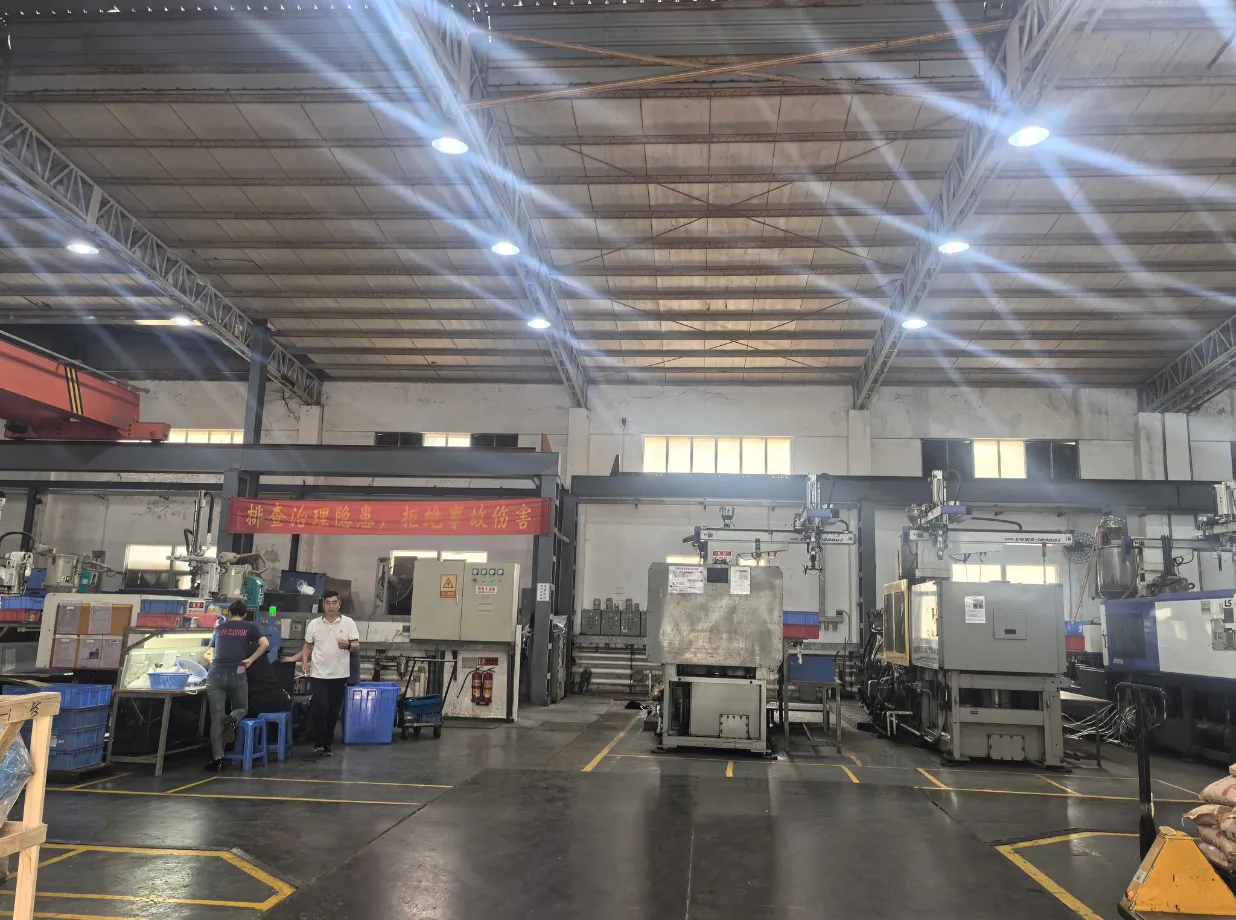
The facility molds medical-grade resins under controlled, monitored conditions with the cleaning and handling a device program requires. Tolerances of +/-0.02 mm on critical features, qualified resins, and controlled process windows support both precision and repeatability. Tooling is built and maintained in-house so the validated process is owned end to end, and changes move through a documented gate rather than a workshop decision. Capacity spans prototype quantities through commercial production under a quality agreement.
Engineering Considerations
Medical part design weighs function, biocompatibility, and manufacturability together. Gate and vent placement avoid burn and short shots on thin walls; draft and ejection protect cosmetic and sealing surfaces; tolerances are assigned to the interfaces that affect fit or sterile barrier. Risk is considered early so the design is moldable and the validation is straightforward, which shortens the path from concept to a validated commercial process.
Materials
Medical-grade resins are selected for biocompatibility and function: PPSU and PEEK for sterilizable, high-performance parts; medical-grade PC and COP for clarity and chemical resistance; USP Class VI and ISO 10993-compatible grades where contact demands it. Each grade is qualified and documented so a repeat order is materially identical to the approved sample. Resin certification travels with the lot, which is what your regulatory submission and your auditor expect.
Applications
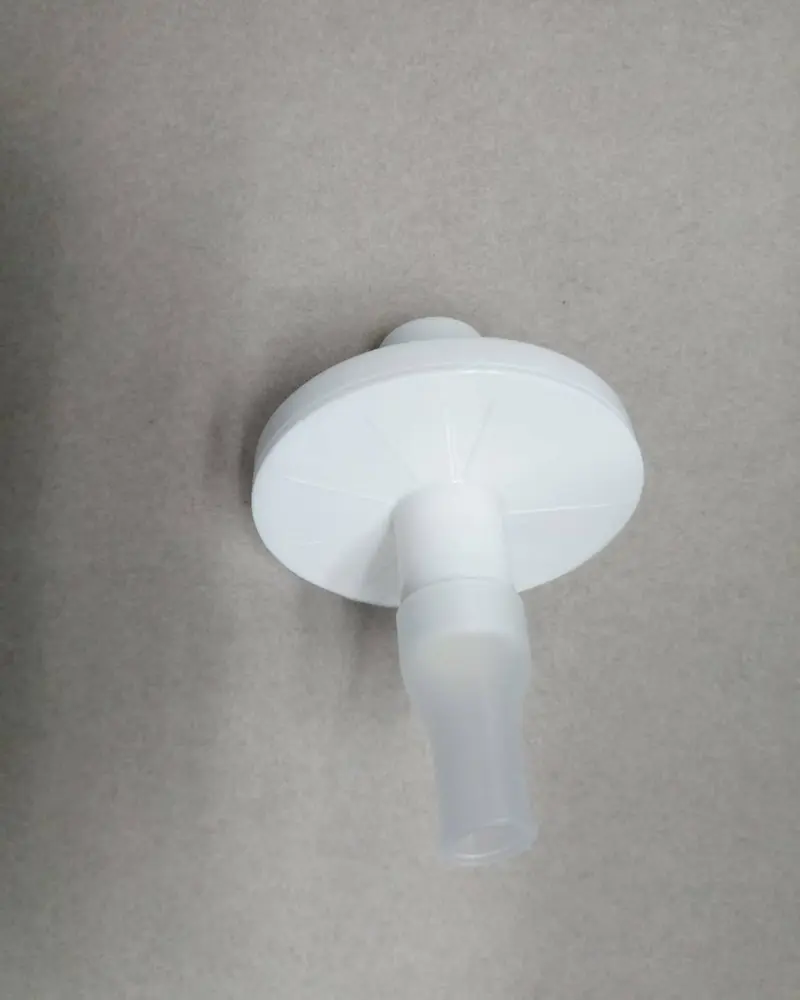
Typical parts are device housings, surgical and diagnostic components, drug-delivery and fluid-management parts, and connectors where contamination control matters. The common requirement is a clean, consistent, documented component that fits the device and the regulatory file. Examples include infusion connectors, surgical instrument handles, and diagnostic cartridge bodies where a dimension or a contaminant decides patient outcome.
Industries
The focus is healthcare and medical device manufacturing, where cleanliness, traceability, and validated process control are not optional. Programs range from pilot devices to commercial production under quality agreements, and the same floor serves both because the controls are built into the process rather than added per order.
Validated Process
Medical programs follow a validated path: design and risk review, DFM, tool fabrication and tryout, process qualification (IQ/OQ/PQ), first-article and validation lots, then controlled production. The qualified process - not per-lot adjustment - is what holds the part, and the evidence is retained for submission and audit. This is the discipline that separates a medical molder from a general molder.
Quality Control and Traceability
Under an ISO 9001 system with medical-program controls, incoming material is verified, critical dimensions are checked by CMM and tracked lot by lot, and cleaning and handling protect the part. Lot records and traceability support audits and field recalls, and customer-specific protocols are followed where required. The lot is the unit of accountability, and every lot is reconstructable from its records.
Cost and Lead-Time Factors
Medical molding costs more because validation, documentation, and controlled handling are part of the product. Tooling and process qualification dominate lead time; in-house tooling and engineering compress the path from design to validated lot. Resin grade and inspection depth set the remaining cost, and they are non-negotiable for the application. The premium buys the evidence package your regulator requires.
Buyer Checklist for Medical Molding
- Provide the model, 2D, and critical tolerances, plus the regulatory standard.
- State biocompatibility requirement (USP Class VI, ISO 10993, etc.).
- Specify resin grade or performance need; confirm sterilization method.
- Define process validation expectation (IQ/OQ/PQ) and lot record retention.
- Agree on cleanliness, packaging, and labeling for the device.
- Clarify IP and confidentiality terms for the device geometry.
Production Scaling
A validated pilot scales to commercial volume by holding the qualified process window while increasing cavitation and capacity. The validation evidence carries over, so scaling is a capacity decision, not a re-qualification. Reserved capacity and traceable lots keep a commercial device supplied predictably, and the same records support both the pilot file and the commercial file.
Evaluating a Medical Molder
Medical molding is a regulated discipline, and the proof is in the system, not the part. Ask which quality standard the supplier operates under, whether process validation (IQ/OQ/PQ) is offered, and what lot records ship with each order. A supplier that cannot show you traceability from resin cert to finished lot is not a medical molder regardless of its cleanroom. Also confirm material handling and cleaning controls, because contamination is a failure mode no tolerance catches.
A Typical Medical Program Walkthrough
A representative device component runs as follows. Design and risk review set the sterile-barrier and functional interfaces. DFM and tool fabrication precede process qualification (IQ/OQ/PQ) on the actual resin and tool. Validation lots confirm the process holds the part. On approval, controlled production runs with SPC and lot traceability. The validated process - not per-lot adjustment - is what your regulatory file describes, and the evidence is retained for submission and audit.
Validation and Documentation
In medical molding, documentation is part of the product. Installation qualification confirms the equipment, operational qualification confirms the process window, and performance qualification confirms the part meets spec at volume. Lot records capture material cert, process parameters, and inspection results so any shipped unit is reconstructable. This is the evidence package your regulator expects and your auditor will request, and it is why medical molding costs more than general molding.
Common Medical Molding Issues
The failure modes are contamination, out-of-window process, and undocumented change. Contamination is prevented by controlled handling and cleaning; process drift by SPC and cavity-pressure monitoring; undocumented change by a gated engineering and quality system. A supplier that treats these as routine controls - not exceptional effort - is the one a device team can rely on from pilot through commercial production.
Glossary for Buyers
- IQ/OQ/PQ - installation, operational, and performance qualification of a process.
- USP Class VI - a biocompatibility standard for materials in contact with the body.
- ISO 10993 - the biological evaluation standard for medical devices.
- PPSU / PEEK - sterilizable, high-performance medical resins.
- Traceability - the ability to reconstruct a lot from resin to shipment.
Biocompatibility and Resin Pathway
Medical resin selection starts with the contact and the standard: USP Class VI and ISO 10993 for body contact, sterilizable grades such as PPSU and PEEK for repeated steam or gamma cycles, and clarity grades such as medical PC or COP where visualization matters. The chosen grade is qualified and documented so a repeat order is materially identical to the validated sample. Biocompatibility is a property of the material and the process together, so both are recorded, not assumed.
Sterilization and Material Choice
Sterilization method constrains resin and design. Steam and gamma tolerate PPSU and PEEK; certain clear grades yellow or craze under repeated cycles; some resins absorb moisture that affects dimension after autoclave. The part is designed for the sterilization it will see in the field, and the validation confirms it survives that cycle within tolerance. Choosing the resin and the process around the sterilization method avoids a late, expensive redesign.
Contamination Control
In medical molding, contamination is a failure mode no tolerance catches. Resin is handled in controlled conditions, tooling and fixtures are cleaned on a schedule, and the part is packaged to protect the sterile barrier. Personnel and process controls are documented so the clean state is reproducible, not by chance. The lot record shows the handling the part received, which is what an auditor and a regulatory file require.
Regulatory Documentation Package
The documentation is part of the deliverable. Material certification, process qualification records (IQ/OQ/PQ), first-article and validation data, and lot traceability together form the evidence package behind the part. It supports your submission and survives an audit because it was built into the program, not assembled afterward. A medical molder treats this package as a product feature, because for a device team it is one.
From Pilot Device to Commercial Production
A validated pilot scales to commercial volume by holding the qualified process window while increasing cavitation and capacity. The validation evidence carries over, so scaling is a capacity decision rather than a re-qualification, and the same records support both the pilot and commercial files. Reserved capacity and traceable lots keep a commercial device supplied predictably, which is what lets a device team move from prototype to market without re-qualifying the part.
When to Engage a Medical Molder
Engage a medical molder as early as the device concept, because material, sterilization, and validation decisions made late are expensive to undo. The signal is any part that contacts the body, enters a sterile field, or carries a regulatory file: housings, surgical components, drug-delivery and fluid-path parts, and connectors where contamination control matters. A medical molder contributes the validation and documentation thinking at DFM, so the design is moldable, sterilizable, and validatable rather than reworked after a failed qualification.
Managing Risk in Medical Programs
Risk in medical molding is managed by control, not by inspection after the fact. Contamination, process drift, and undocumented change are prevented by cleaning schedules, SPC with cavity-pressure monitoring, and a gated engineering and quality system. The lot record - material cert, process parameters, inspection results - makes every shipped unit reconstructable, which is what protects patients and what an auditor requires. A supplier that runs these as routine discipline is the one a device team can trust from pilot through commercial production.
Environment and Equipment for Medical Molding
Medical molding depends on the environment as much as the machine. Resin is stored and handled in conditions that protect it from moisture and contamination; tooling and fixtures are cleaned on a schedule; and the molding cell is controlled so the part leaves it clean and documented. Equipment is qualified (IQ) and the process is confirmed (OQ/PQ) on the actual resin and tool, so the validated state is reproducible, not occasional. The point is a controlled chain from resin cert to finished, packaged part - every link recorded - which is what a medical program requires and an audit expects.
Validating the Process, Not Just the Part
In medical molding the unit of validation is the process, not a single good part. Installation qualification confirms the equipment is correct, operational qualification confirms the process window holds the part, and performance qualification confirms it does so at volume. Once qualified, the process - not per-lot adjustment - is what makes every part, which is what your regulatory file describes. A supplier that validates the process can ship consistently; one that only inspects finished parts is hoping, and hope is not a medical control strategy.
Lot Traceability for Recalls and Audits
Traceability is what turns a quality system from a promise into evidence. Each lot records the resin certification, the process parameters, and the inspection results, so any shipped unit is reconstructable from its records. That capability supports audits and field recalls, and it is why a device team can answer a regulator with data rather than memory. For a medical program, lot traceability is not a nice-to-have; it is the backbone of the regulatory file, and it is built into the program from the first lot.
Related Capabilities
See Precision Plastic Components for tight-tolerance molding, Prototype Injection Molding for device prototypes, and OEM Plastic Parts Manufacturer for contract medical supply. Overview on the homepage.
Commercial detail: plasticmolder.com or the contact page. Commercial terms and drawings: plasticmolder.com or the contact page.