Prototype Injection Molding: De-Risk Before You Commit
Before committing capital to a hardened production tool, you need to hold the part in your hand and prove it works. Prototype injection molding delivers quick-turn tooling and molded parts in production-grade resins, typically within 7 to 15 days. It is the bridge between a 3D model and a confident production decision — the step where engineering, design, and sales teams verify fit, function, feel, and appearance with real molded parts rather than a 3D print that bends the rules on material and finish.
Done well, prototype molding removes risk before you spend on a hardened production mold. Done poorly — with the wrong resin or a tool that does not represent the production process — it tells you almost nothing useful about the part you will actually ship.
Why Production-Grade Resin Matters
The single most common prototyping mistake is substituting a convenient material for the production resin. A prototype in the wrong plastic misleads your testing on everything that depends on the material: stiffness, creep, chemical resistance, and surface behavior. Molding prototypes in the same thermoplastic you will run in production means the samples reflect the final material’s behavior, so any material-sensitive failure shows up now, while it is still cheap to fix.
This is why prototype programs here use the production resin by default. The samples are representative, and the dimensional data measured on them becomes the baseline the production tool is built to hold.
The Prototype Process
- Quote and DFM from your 3D model, usually within a day.
- Tool fabrication in aluminum or soft steel, 7 to 15 days typical.
- Molding in your chosen production resin on the 50T–800T fleet.
- Inspection and delivery of samples with a first-article report.
The same file that drives the prototype can seed the production tool later, so validation work is not wasted. Measurements taken on the prototype become the acceptance criteria the production tool is built to meet — a direct handoff rather than a restart.
Materials for Prototypes
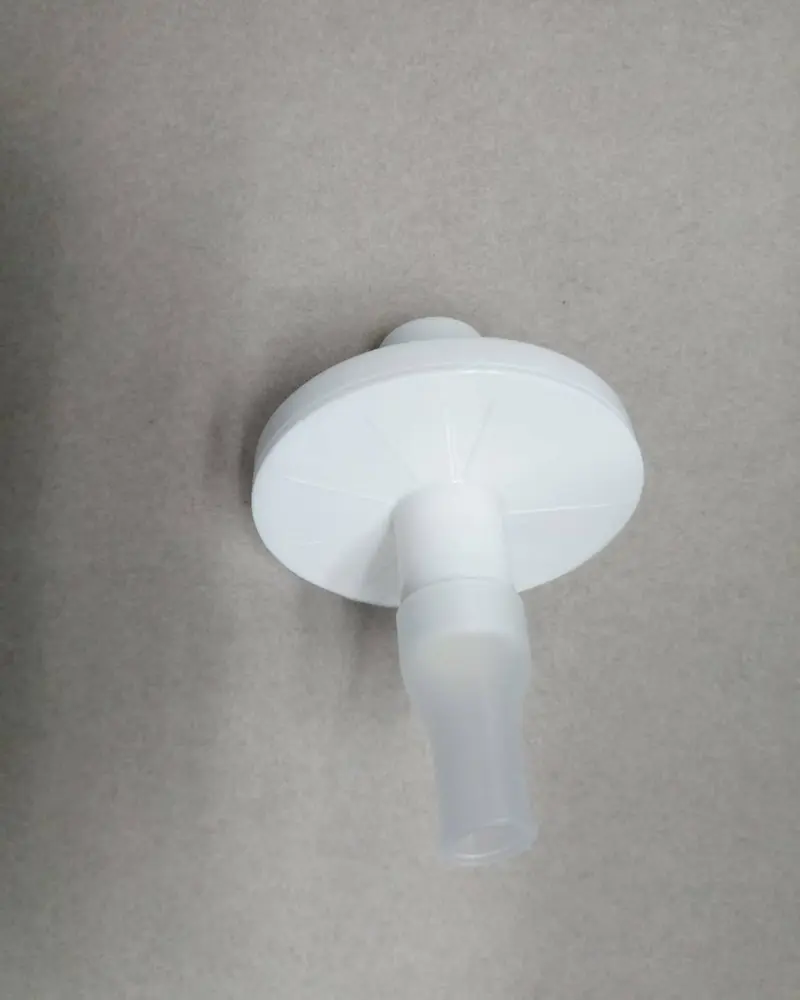
Prototypes are molded in the same resins planned for production:
| Resin | Use in prototyping |
|---|---|
| ABS / PC | Enclosures and clear parts |
| PA (Nylon) | Strength and wear evaluation |
| POM | Precision mechanical features |
| TPU | Soft-touch and sealing |
Matching resin to production means test results carry forward with confidence. A bracket evaluated in the wrong plastic might pass a load test it would fail in production resin — exactly the false signal a prototype is supposed to prevent.
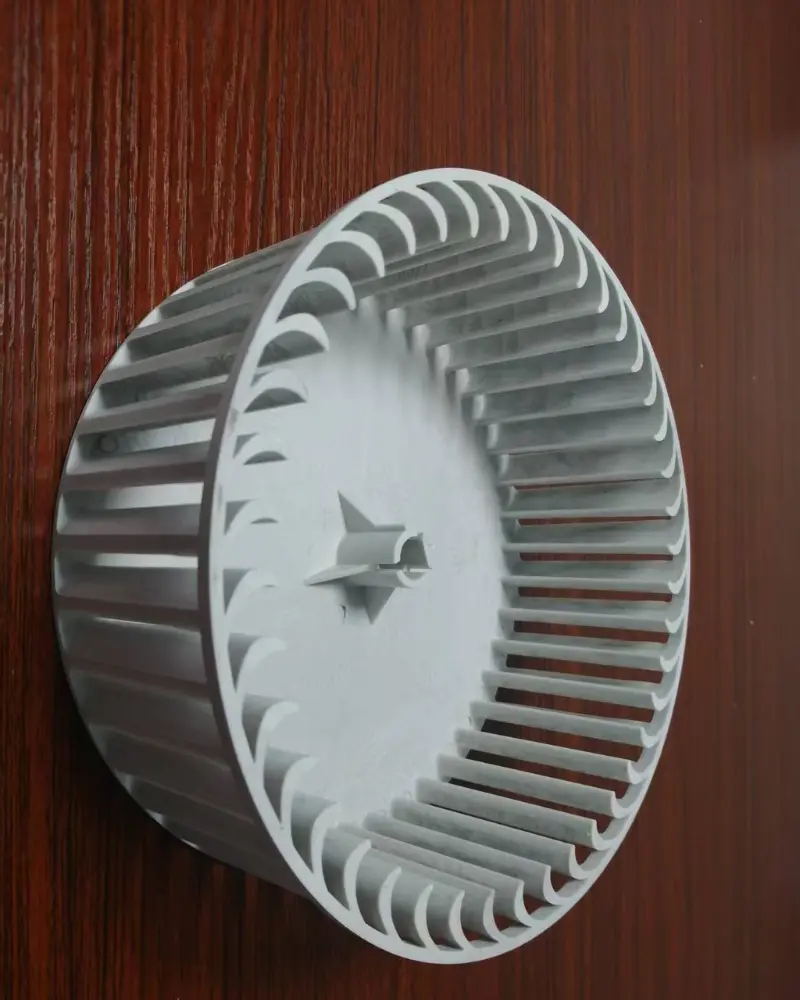
Prototype components molded in production-grade resin, so fit-and-function testing reflects the final part.
Applications of Prototype Molding
- Design verification parts before final release.
- Fit-and-function samples for assembly checks.
- Trade-show models that look and feel production-real.
- Pilot-run components for early field trials.
- Testing specimens for validation and certification.
Each of these uses depends on the part being representative. A prototype that shortcuts material or finish undermines the very decision it was meant to support.
Bridge Tooling to Production
When validation passes, bridge tooling keeps you supplied while the hardened production mold is built. This avoids the stock-out that commonly occurs between prototype and mass production — a frequent cause of launch delays and a strong reason to choose a supplier who can do both. Bridge tooling is also the pragmatic answer when forecast is uncertain: prove the market with a soft-steel tool, then commit to hardened steel only once demand is real.
What Prototype Molding Reveals That Models Cannot
A CAD model confirms geometry; it does not confirm how the part behaves as a molded object. Prototyping exposes sink marks at thick sections, warp under asymmetric cooling, gate vestige on visible faces, and flash at parting lines — all of which a designer can correct before steel is committed. It also gives downstream teams real parts to build against: assembly can validate fit, quality can write inspection plans, and sales can show customers a production-representative sample.
Industries That Rely on Fast Prototypes
Across automotive, medical, electronics, and industrial sectors, the value of a fast, real-resin prototype is identical: de-risk the decision before the expensive tooling commitment. Automotive uses prototypes for clips and brackets; medical for device samples in design review; electronics for enclosures and insulators in pilots; industrial for trial fits on machinery. In every case, the prototype answers a question that a model leaves open.
Quality Control for Prototypes
Even prototypes are measured. First-article inspection and dimensional feedback tell your design team exactly where the part stands against the drawing. That measurement is the data your DFM review and production tool specification are built on — so the prototype earns its place in the program twice: once as a sample, once as the source of truth for production.
Advantages of Prototype and Production Under One Roof
- Speed — parts in 7 to 15 days.
- Real resin — production-grade materials, not substitutes.
- Smooth handoff — prototype data feeds the production tool.
- Bridge supply — no gap before mass production.
- One partner — prototype and production under one roof.
These advantages compress your development timeline and protect the investment behind the production mold.
What to Send for a Prototype Quote
Provide your 3D model and 2D drawing, the target production resin, the quantity of samples needed, and any critical dimensions or test requirements. If you intend to move to production, say so up front — the tool and the DFM can be planned so the prototype seeds the hardened mold rather than being discarded.
Design Guidelines for Representative Prototypes
A prototype only earns its place if it represents the production part, and that starts with design choices that survive molding. Walls should be uniform enough to avoid sink, draft added so the part demolds cleanly, and gates placed where vestige will not mar a visible face. Specifying the production resin from the start means the prototype behaves like the part you will ship, so load, creep, and chemical tests return meaningful results instead of false confidence from a stand-in material.
Tolerances, Inspection, and First-Article Data
Even prototypes are measured, because the numbers taken on the prototype become the baseline the production tool is built to hold. First-article inspection and dimensional feedback tell your design team exactly where the part stands against the drawing. That measurement is the data your DFM review and production tool specification are built on — so the prototype contributes twice: once as a sample, once as the source of truth for production.
Secondary Operations on Prototypes
Prototype parts often need finishing to be evaluation-ready: polishing to assess appearance, printing to test labels, or welding to check an assembly. Performing these in-house means a representative sample can be turned around quickly without shipping to a separate vendor, and the same processes that prove the prototype feed directly into the production plan.
Cost Structure of Prototyping
Prototype cost is dominated by tooling speed, not piece price, which is why aluminum or soft-steel tools are used to reach parts in days rather than weeks. The expensive mistake is a prototype in the wrong material or an unrepresentative process, which forces a second round before any real learning. Spending slightly more to mold in production resin and finish is almost always cheaper than discovering the gap after the hardened tool is cut.
Lead Times, Logistics, and Confidentiality
Prototype tooling and parts are typically delivered within 7 to 15 days, with the same file seeding the production tool later so validation work is not wasted. Samples are packaged and shipped with the documentation your internal review needs, and customer models are handled under confidentiality — proprietary geometry is protected as customer property throughout.
Evaluating a Prototyping Supplier
The decisive question is whether the supplier can carry you from prototype to production without a restart. A partner who molds in production resin, measures first articles, and builds the production tool from the same data compresses your development timeline and protects the investment behind the hardened mold. A shop that only samples leaves you to re-solve the problem downstream.
What a Typical Prototype Program Looks Like
A typical prototype runs: quote and DFM within a day of receiving the model; aluminum or soft-steel tool fabrication in 7 to 15 days; molding in the production resin on the 50T–800T fleet; first-article inspection and sample delivery with a report. If the part passes, the same data seeds the hardened production tool, so validation is not discarded. This compressed path is what lets a team move from CAD to a confident production decision in under three weeks.
Industry-Specific Considerations
Automotive prototypes prove clips, brackets, and enclosures before tooling commit. Medical prototypes support device design reviews with representative samples. Electronics prototypes validate enclosures and insulators in pilots. Industrial prototypes confirm trial fits on machinery. In every sector the value is identical: de-risk the decision before the expensive tooling investment, using real resin and real process behavior.
Glossary of Key Terms
- Bridge tooling — soft tooling that supplies parts until hardened production tooling is ready.
- DFM — design for manufacturability, the pre-tooling review.
- First article — the inspected initial sample used to approve a tool or process.
- Production resin — the actual thermoplastic planned for volume manufacture.
- PPAP — production part approval process used downstream in automotive.
- Tryout — validating a new tool on a press before release.
Common Defects and How They Are Prevented
The most common prototype failure is not a molding defect but a representation defect: the wrong resin, an unrepresentative process, or a finish that hides a real issue. Sink, warp, and gate vestige still occur, but on a prototype they are signals to act on, not scrap to discard. Molding in production resin and validating on a tryout press means the sample reflects the final part, so the defects you see are the defects worth fixing before steel is committed.
Reading and Comparing Prototype Quotes
A prototype quote should state the tool material, the resin, the quantity of samples, and the inspection included. The trap is the cheap quote that substitutes a convenient material or skips first-article measurement — it saves little and risks a second round. The better comparison weighs how representative the sample is, because a representative prototype is what protects the production investment.
Communication and Data Handoff
Prototype programs run on speed, so communication and data handoff decide their value. First-article dimensions, DFM notes, and the production-intent file should pass directly to the production tool designer without rework. A supplier who molds, measures, and builds the next tool from the same data compresses your timeline; one who only samples leaves you to re-solve the problem downstream.
Getting Started With a Prototype
Starting a prototype is fast: send the model and target resin, and a quote and DFM typically return within a day. Tooling in aluminum or soft steel follows, with molded samples in production resin delivered in 7 to 15 days and a first-article report. If you intend to scale, say so up front so the tool and data seed the production program rather than being discarded.
From Prototype to Production
The bridge from prototype to production should be continuous. The DFM notes, resin qualification, and first-article data from the prototype feed directly into the hardened tool, so validation is not repeated and timing is not lost. A supplier who runs both turns a 7-to-15-day prototype into a production program without a reset, protecting both the schedule and the investment behind the mold.
Decision Guide
When prototype molding is the right choice. Use it when you need real-resin parts to validate fit, function, and material behavior before committing to production tooling. It sits between 3D printing and full production: faster and cheaper than a hardened tool, far more representative than a printed part.
Factors that shape the decision. How close to production the data must be, your timeline, and what tests you will run (assembly, thermal, chemical). Bridge needs—covering demand until the production tool lands—also justify it.
Mistakes buyers avoid. Relying on printed parts for functional or thermal tests and drawing wrong conclusions; skipping first-article data; and not planning the production path, so the prototype never converts into a scalable program.
Engineering Considerations
Design and DFM. Prototypes should already follow moldable rules so the learning transfers: uniform walls, draft, sensible gating. This is the cheapest point to change geometry.
Tolerances. Hold representative tolerances where fit is tested; note that soft aluminum tools may show slightly more variation than hardened steel, so critical features get extra attention in FAI.
Material selection. Use the intended production resin where possible—or a close proxy you understand—so test results predict the real part. Moisture-sensitive grades still need drying.
Cost and Lead-Time Factors
Tooling cost drivers. Prototype tools use aluminum or soft steel, fewer cavities, and simpler runners, so cost is a fraction of production tooling.
Volume impact. Best for tens to low thousands of parts; beyond that, a production tool wins on unit cost.
Material, finishing, and quality impact. Resin cost is the same as production; finishes are usually minimal on prototypes. Light inspection and FAI are typical—enough to trust the data without production overhead.
Production Scaling
From prototype to mass production. A good prototype program ends with a qualified design and DFM record that drops straight into the production tool. Bridge tooling can serve demand during the gap.
Repeatability and consistency. Even soft tools can hold a documented process window; the first article becomes the reference for the harder tool.
Supply chain. Running prototype and production at one site means the same engineers carry the design forward, eliminating translation loss between vendors.
Buyer Checklist
- State the test goals (fit, function, thermal, chemical).
- Provide the model, resin intent, and any critical tolerances.
- Ask for first-article data, not just parts in a bag.
- Confirm whether bridge volume is needed before production.
- Plan the production-tool handoff up front.
- Keep prototype and production supplier aligned.
Related Capabilities
Prototyping leads naturally into Low Volume Injection Molding for early supply, Injection Mold Manufacturing for the production tool, and Custom Plastic Injection Molding for bespoke geometry. See the homepage for the full overview.
For commercial terms and contract manufacturing, visit plasticmolder.com, the contact page, or the dedicated plastic injection molding and custom plastic injection molding pages.